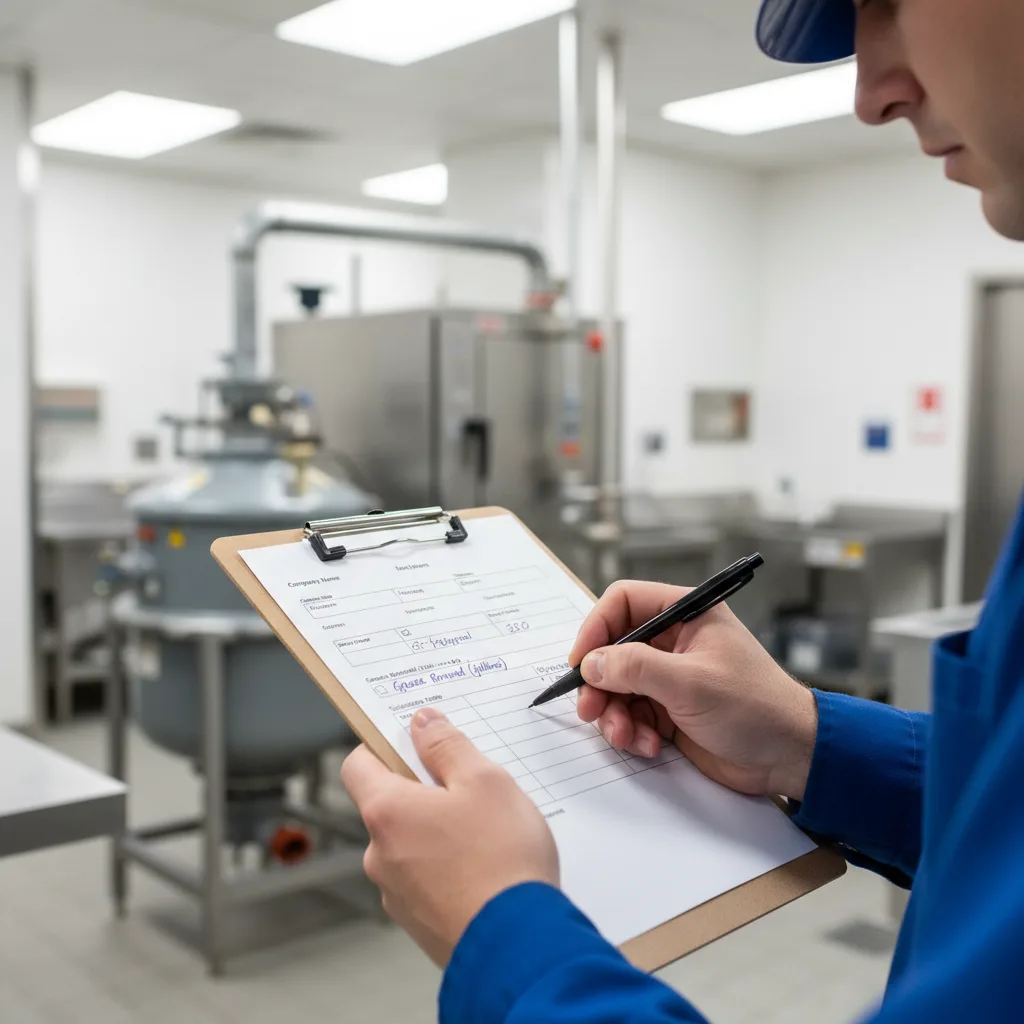

Choosing between an automatic grease trap and a manual system is one of the most consequential decisions restaurant owners face when designing or upgrading their commercial kitchen. While both systems serve the same fundamental purpose — capturing fats, oils, and grease (FOG) before they enter municipal sewer systems — the operational differences, cost structures, and maintenance requirements vary dramatically. This guide breaks down the performance characteristics, financial implications, and practical considerations to help you make an informed decision for your kitchen.
How Automatic Grease Traps Work
An automatic grease trap — sometimes called an automated grease recovery device (AGRD) or automatic grease removal unit — uses mechanical processes to continuously or periodically remove captured grease without manual pumping. These systems typically feature heating elements that liquefy trapped FOG, skimming mechanisms that separate grease from wastewater, and collection containers that store the recovered grease until disposal.
The operational cycle varies by manufacturer, but most automatic systems run on timers or sensors. When the unit detects sufficient grease accumulation, it initiates a recovery sequence: heating coils warm the trap contents, a skimming wheel or belt removes the liquefied grease from the water surface, and the separated grease flows into a removable caddy or collection drum. The entire process happens without shutting down kitchen operations or requiring staff intervention.
Unlike traditional passive grease traps covered in our complete guide to grease traps, automatic units maintain separation efficiency even during high-volume periods. The mechanical removal prevents the re-emulsification that occurs in manual traps when hot wastewater enters a grease-saturated unit during peak service hours.
Size automatic grease traps based on flow rate (gallons per minute) rather than just fixture count. High-volume operations should calculate GPM during peak periods, not daily averages, to ensure adequate treatment capacity.
Manual Grease Trap Systems Explained
Manual grease traps — the traditional workhorses of commercial kitchens — rely on gravity separation and extended retention time to capture FOG. As wastewater flows through the trap, grease rises to the surface while solids settle to the bottom, and the clarified middle layer exits to the sewer. These passive systems, detailed in our overview of different grease trap types, require periodic pumping by licensed waste haulers to remove accumulated contents.
The typical manual trap consists of baffles that slow water flow and prevent turbulence, an inlet pipe positioned below the water surface, and an outlet pipe that draws from the middle clarified zone. Larger in-ground interceptors may hold 500 to 2,000 gallons, while compact under-sink units typically range from 10 to 50 gallons depending on the application.
Manual systems demand consistent monitoring and scheduled maintenance. Staff must check grease levels regularly — most jurisdictions require pumping when the trap reaches 25% capacity. This preventive approach keeps the system compliant and functional, though many operations struggle with the administrative burden of tracking service intervals and coordinating with haulers.
Performance and Efficiency Comparison
Separation efficiency represents the percentage of FOG a system captures before discharge. Manual grease traps typically achieve 85-90% efficiency when properly sized and maintained at recommended service intervals. However, real-world performance often degrades between pumpouts as grease accumulates and reduces effective treatment volume.
Automatic grease traps maintain more consistent efficiency — often 90-95% — because they remove grease continuously or on frequent cycles. This steady-state operation prevents the capacity degradation that affects manual systems. The mechanical removal also handles high-temperature discharges better, as the heating elements prevent grease from solidifying and blocking flow paths.
Flow capacity distinguishes the two approaches as well. Manual traps handle high volumes effectively if sized appropriately for peak discharge, but automatic units typically process higher GPM rates in smaller footprints. A 50-pound automatic grease trap may match the performance of a 250-gallon manual interceptor in certain applications, though comparing pound capacity to gallon capacity requires understanding your specific waste stream characteristics.
The right grease trap isn't the most expensive or the most automated — it's the one that matches your kitchen's discharge characteristics, available space, and operational capabilities.
Cost Analysis: Initial Investment and Operating Expenses
Manual grease traps carry lower upfront costs. A 50-gallon under-sink unit ranges from $800 to $2,500 installed, while larger in-ground interceptors run $2,500 to $8,000 depending on capacity and site preparation requirements. These systems require minimal electrical infrastructure — most operate passively without power.
Automatic grease trap units represent a significantly higher initial investment, typically ranging from $3,000 to $12,000 for the equipment alone, with installation adding another $1,500 to $4,000. The price scales with capacity, automation features, and collection container size. Units with integrated monitoring systems or remote alert capabilities command premium pricing but deliver operational visibility that prevents compliance issues.
Operating costs tell a different story. Manual traps require professional pumping every one to three months depending on volume, with service costs detailed in our grease trap cleaning cost guide. Annual maintenance typically runs $1,200 to $6,000 for most commercial kitchens. Automatic systems reduce pumping frequency dramatically — many operations schedule service only once or twice annually, cutting hauling costs to $300-$800 per year.
Factor electricity costs into automatic trap budgets. Most units consume 3-8 kWh daily, adding $30-$100 monthly to utility bills depending on local rates and usage patterns.
The total cost of ownership calculation depends on operational horizon. Manual systems cost less initially but accumulate higher maintenance expenses. Automatic units break even typically within 3-5 years in high-volume operations, though lower-volume kitchens may never recoup the premium investment through reduced pumping costs alone.
Maintenance Requirements and Operational Impact
Manual grease trap maintenance revolves around scheduled pumping and daily monitoring. Staff must check grease levels, log readings, and schedule service before reaching regulatory thresholds. The pumping process itself disrupts operations — service trucks must access the trap location, and outdoor interceptors may require excavation or heavy equipment. Most restaurants schedule pumping during off-hours to minimize business impact.
Automatic systems shift maintenance from reactive pumping to proactive parts servicing. Staff empty collection caddies weekly or biweekly depending on grease volume — a 10-minute task that doesn't require specialized equipment or service interruption. The mechanical components require periodic inspection and occasional replacement of heating elements, skimming mechanisms, or sensors, typically during annual professional service calls.
The labor calculation matters for busy kitchens. While manual traps seem lower-maintenance, the administrative burden of compliance tracking, service scheduling, and record-keeping consumes manager time. Automatic systems with monitoring capabilities reduce this overhead through automated alerts and digital service logs, though they introduce dependency on electrical systems and mechanical reliability.
Regulatory Compliance and Code Considerations
Most jurisdictions accept both automatic and manual grease traps provided they meet local capacity requirements and performance standards. However, some municipalities have begun favoring or requiring automatic systems in new construction or major renovations, particularly in high-density urban areas where sewer capacity is limited and FOG blockages create significant infrastructure problems.
Discharge limits typically specify maximum FOG concentrations allowed in wastewater — commonly 100-300 mg/L depending on local ordinances. Both system types can meet these standards when properly sized and maintained, though automatic units provide more consistent compliance because they don't experience the performance degradation between service intervals that affects manual traps.
Verify local codes before purchasing. Some jurisdictions maintain approved equipment lists or require specific certifications (PDI G101, ASME A112.14.3, or CSA B481) that may limit your options between automatic and manual systems.
Record-keeping requirements remain similar for both approaches. Operators must document maintenance activities, disposal manifests, and inspection results regardless of trap type. Automatic systems with built-in monitoring often simplify documentation through digital logs, though manual paper records remain acceptable in most jurisdictions.
Which System Fits Your Operation?
High-volume operations with consistent grease production — full-service restaurants, hotels, hospitals, and institutional kitchens — typically benefit most from automatic grease traps. The reduced pumping frequency, consistent performance, and lower labor requirements offset the higher initial investment within a reasonable payback period.
Lower-volume operations, seasonal establishments, or kitchens with minimal FOG production often find manual traps more economical. Coffee shops, bakeries, convenience stores, and similar operations may generate insufficient grease to justify automatic system costs. The simpler technology also suits remote locations where service access for mechanical repairs might be limited.
Space constraints can drive the decision independent of volume considerations. Automatic units require less physical space for equivalent treatment capacity, making them ideal for urban locations, food courts, or retrofits where excavation for large interceptors isn't feasible. Conversely, operations with available outdoor space and gravity drainage may find in-ground manual interceptors the most cost-effective solution.
Frequently Asked Questions
Can I retrofit my existing manual grease trap with an automatic system?
Retrofitting is possible but depends on your current plumbing configuration and available utilities. Automatic units require electrical service (typically 120V or 208-240V) near the installation location and adequate drainage for the recovery unit. Most retrofits work best when replacing under-sink manual traps rather than large in-ground interceptors. Consult with a licensed plumber to assess your specific site conditions and code requirements before purchasing equipment.
How often do automatic grease traps actually need professional service?
Most manufacturers recommend annual professional inspection and maintenance, though high-volume operations may benefit from semi-annual service. Between professional visits, staff should empty collection containers weekly or biweekly and visually inspect for proper operation. The reduced frequency compared to monthly or quarterly pumping of manual traps represents one of the primary cost savings of automatic systems.
Do automatic grease traps require special disposal procedures for collected grease?
Collected grease from automatic traps requires the same disposal methods as pumped material from manual systems — licensed waste haulers must transport it to approved facilities. However, because automatic systems produce purer grease with less water content, some rendering companies may offer better rates or even pay for high-quality feedstock suitable for biodiesel production. Contact local waste haulers to understand available options and pricing in your area.
What happens if an automatic grease trap loses power during service?
Most automatic grease traps continue functioning as passive separators during power outages, though they won't perform automated grease removal until power restores. The tank still captures FOG through gravity separation, preventing immediate compliance issues. Extended outages may require manual grease removal or temporary pumping if the collection container fills. Some facilities install backup power for critical automatic systems, particularly in areas with frequent outages.
Are there hybrid systems that combine automatic and manual features?
Semi-automatic grease traps represent a middle ground, offering some mechanical assistance without full automation. These units might include manual grease removal with automated alerts, or timer-based heating without automatic collection. They typically cost 30-50% less than fully automatic systems while reducing some manual maintenance burden. Hybrid approaches work well for medium-volume operations seeking improved performance without maximum investment.
Selecting the appropriate grease management system requires balancing initial investment against long-term operational costs, maintenance capabilities, and regulatory requirements specific to your jurisdiction and kitchen type. Both automatic and manual grease traps serve essential roles in protecting infrastructure and maintaining compliance when properly matched to application demands. Find verified grease trap services in your area at https://www.greasetraplocator.com to connect with professionals who can assess your specific needs and recommend the optimal solution for your commercial kitchen.

Author: Grease Trap Locator Editorial Team
The Grease Trap Locator editorial team covers FOG compliance, grease trap maintenance, and commercial kitchen regulations across the US and Canada. Our guides are written for restaurant owners, facility managers, and food service operators who need practical, accurate information without the fluff.
Find verified, local contractors who handle cleaning, pumping, and FOG compliance — in your area.