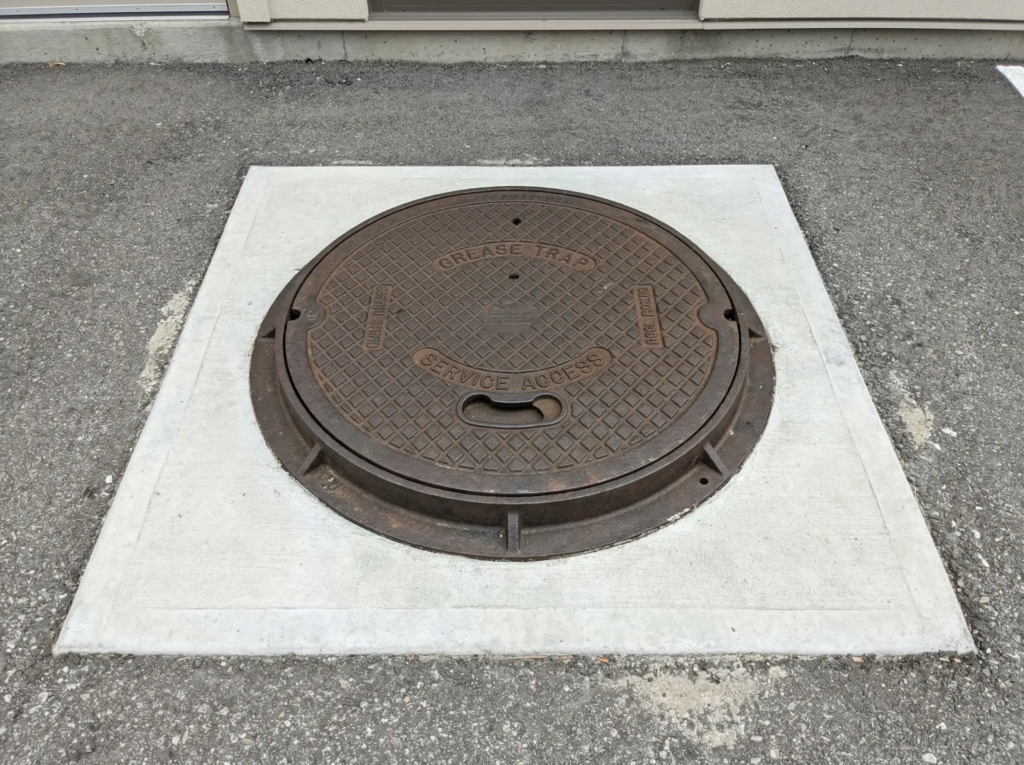

Restaurant owners facing mounting grease trap service bills often ask the same question: can I just clean this myself? The short answer is yes—but whether you should depends on trap size, local regulations, and your willingness to handle one of the kitchen's least pleasant tasks. This guide breaks down what DIY grease trap cleaning actually involves, when it makes sense, and when calling a professional isn't just easier—it's legally required.
Understanding What DIY Grease Trap Cleaning Really Means
DIY grease trap cleaning isn't simply pouring degreaser down a drain. It's a labor-intensive process involving physical removal of solidified fats, oils, and grease (FOG) from a confined space that often smells exactly as bad as you'd imagine. Most commercial kitchens have either under-sink traps (8-50 gallons) or in-ground interceptors (500-2,000+ gallons). The size of your system fundamentally determines whether DIY is even feasible.
Small under-sink traps are realistic DIY candidates. These units sit beneath three-compartment sinks or prep stations, with accessible covers and manageable volumes. In-ground interceptors, however, require pump trucks, confined space entry protocols, and proper waste manifesting—tasks that fall squarely in professional territory. Before you commit to DIY grease trap cleaning, verify what type of system you're actually dealing with.
Take photos of your trap's data plate before attempting any cleaning. You'll need model numbers, capacity, and installation date if you ever call for service—and having this documented prevents confusion when shopping for professional help later.
The equipment required goes beyond basic cleaning supplies. You'll need heavy-duty rubber gloves that extend past your elbows, a respirator rated for hydrogen sulfide (not just a dust mask), a wet/dry shop vacuum, scrapers designed for food service environments, and Department of Transportation-approved containers for waste FOG. Many operators underestimate this upfront investment, which can run $200-400 for proper gear that meets safety standards.
The Step-by-Step Reality of Cleaning Your Own Grease Trap
Following a detailed grease trap cleaning process starts with allowing your trap to cool for at least two hours after your last dish cycle. Hot grease is both a burn hazard and harder to remove in its liquid state. Remove the trap lid slowly—built-up gases can cause splashing—and measure the depth of FOG and solids layers. Regulations typically require pumping when FOG reaches 25% of total trap depth, though high-volume kitchens benefit from more frequent service.
Use a scoop or small bucket to remove the top grease layer first, transferring it to your approved waste container. This floating layer is the easiest part. Next comes the watery middle layer, which you'll want to vacuum out with your shop vac (dedicated to this purpose only—never use your regular facility vacuum). The bottom sludge layer contains decomposed food particles and requires scraping with putty knives or specialized trap scrapers. This layer produces the worst odors and clings stubbornly to trap walls.
After removing all contents, scrub interior walls and baffles with a stiff brush and hot water. Many operators make the critical mistake of using chemical degreasers here—these products don't eliminate grease, they just liquify it so it flows downstream, creating problems in your main sewer line or municipal system. Mechanical removal is the only compliant method. Rinse thoroughly, inspect baffles and flow-control devices for damage, then reassemble with gaskets properly seated to prevent leaks.
The grease you remove from your trap doesn't disappear when you're done—it becomes regulated waste that must be disposed of according to local ordinances, often requiring manifests and licensed haulers.
The Waste Disposal Problem Nobody Talks About
This is where many DIY efforts run into legal trouble. Grease trap waste is classified as non-hazardous industrial waste in most jurisdictions, but you can't simply toss it in your dumpster or pour it down another drain. Restaurants attempting either have faced fines ranging from $500 to $25,000, depending on state regulations and whether the violation caused municipal system damage.
Your options for legal disposal include contracting with a licensed grease recycling company (who may pick up filled containers on a schedule), transporting waste yourself to an approved receiving facility (requires manifests in most areas), or—ironically—hiring the same professional pumper you were trying to avoid, just for waste hauling. Many operators discover the disposal cost alone approaches what they'd pay for full-service trap cleaning, eliminating the financial incentive for DIY.
Most commercial insurance policies specifically exclude coverage for pollution events, including sewer backups caused by improper grease trap maintenance. DIY cleaning that results in line blockages may leave you personally liable for damage claims.
When DIY Makes Sense (And When It Absolutely Doesn't)
DIY grease trap cleaning can work for small operations with minimal FOG production—coffee shops with light food service, bakeries without fryers, or small cafes running single under-sink traps. If your trap is 20 gallons or less, you're generating less than 50 meals daily, and you have staff willing to handle the task monthly, DIY becomes defensible from both practical and economic standpoints.
DIY becomes problematic—or outright prohibited—in several scenarios. Many municipalities require licensed pumpers for traps over 50 gallons, with service records submitted to the health department. Full-service restaurants, especially those with fryers or heavy sauté operations, generate FOG volumes that overwhelm monthly DIY efforts. If your trap requires pumping more than once monthly to stay compliant, you're spending more labor on DIY than professional service would cost.
Additionally, properties with in-ground interceptors should never attempt DIY. These systems require confined space entry permits, atmospheric testing, ventilation equipment, and usually two-person teams for safety—requirements that carry criminal liability if ignored and someone gets hurt. The hydrogen sulfide concentrations in large interceptors can incapacitate someone in seconds, making this genuinely dangerous work.
The Hidden Costs That Swing the Math
Beyond the obvious expense of equipment and waste disposal, DIY grease trap cleaning carries several hidden costs that skew total-cost-of-ownership calculations. Labor is the biggest: a thorough small trap cleaning takes 60-90 minutes of focused work, usually assigned to kitchen managers earning $18-25/hour. Multiply by 12 months, and you're spending $1,300-2,700 annually just in direct labor—often more than professional quarterly service for the same trap.
Then there's the opportunity cost. Those 90 minutes could go toward inventory management, staff training, or customer service during peak periods. Professional pumpers typically complete the job in 20-30 minutes, during off-hours you specify, with no disruption to kitchen operations. They also provide documentation that satisfies health inspectors, eliminating the recordkeeping burden that falls on you with DIY.
Equipment depreciation and replacement add up over time. Shop vacs used for grease trap cleaning need replacement every 18-24 months as motors burn out from the workload. Scrapers, buckets, and PPE require regular replacement. Professionals amortize these costs across hundreds of customers, achieving economies of scale impossible for single-location operators.
Making the Decision: A Practical Framework
Use this framework to determine your best approach: Calculate the true hourly cost of whoever will do the cleaning (wage plus burden), multiply by estimated hours per year, add equipment and disposal costs, then compare to quotes from three licensed pumpers. For most operations, professional service breaks even or wins outright—especially when you factor in compliance documentation and liability protection.
If you do proceed with DIY, treat it as a supplement to professional service, not a replacement. Many successful operators handle light monthly maintenance themselves—skimming surface grease, checking flow rates—while scheduling quarterly deep cleaning with professionals. This hybrid approach, detailed in our comprehensive grease trap maintenance guide, balances cost control with regulatory compliance and system longevity.
Frequently Asked Questions
How often do small grease traps need cleaning if you do it yourself?
Under-sink traps in active kitchens typically need cleaning every 2-4 weeks when maintained DIY, versus quarterly for professionally serviced units. The difference stems from DIY cleaning being less thorough—most operators remove visible grease but miss the sludge layer that professionals extract with pump equipment. Monitor your FOG layer depth weekly and clean when it reaches 25% of total capacity.
Can you use chemical drain cleaners or enzyme products instead of physical cleaning?
No. Chemical degreasers and biological additives are explicitly prohibited by most plumbing codes because they don't remove grease—they liquify it, pushing the problem downstream into municipal systems. The only compliant cleaning method is physical removal and proper disposal. Enzyme products may reduce odors between cleanings but cannot replace actual pumping.
What safety equipment is actually required for DIY grease trap cleaning?
Minimum PPE includes elbow-length nitrile gloves, safety glasses, a half-face respirator with organic vapor cartridges, and non-slip waterproof boots. For traps deeper than 24 inches, you should also have atmospheric monitoring equipment to test for hydrogen sulfide and oxygen deficiency. Cutting corners on PPE has resulted in serious injuries including chemical burns and asphyxiation incidents.
Where can you legally dispose of grease trap waste if you clean it yourself?
Legal disposal requires either: contracting with a licensed grease hauler who provides containers and pickup service; transporting waste yourself to an approved rendering facility or transfer station (with required manifests); or arranging drop-off with your municipality's FOG recycling program if available. Disposing of grease trap waste in regular trash, down drains, or on property is illegal in all U.S. jurisdictions and carries substantial fines.
Does DIY cleaning void any warranties or violate lease agreements?
Many commercial kitchen equipment warranties require professional service records to remain valid, particularly for interceptors integrated with dishwashers or pre-rinse systems. Additionally, commercial lease agreements frequently mandate licensed service providers for grease management, as property owners face their own liability for tenant violations. Review both documents before committing to DIY—violation can trigger lease default provisions or void insurance coverage.
Whether you choose DIY or professional service, the critical factor is consistent execution. Inconsistent maintenance causes the backups, fines, and health violations that make grease traps expensive—not the service itself. Find verified grease trap services in your area at https://www.greasetraplocator.com and compare professional options against your true DIY costs.

Author: Grease Trap Locator Editorial Team
The Grease Trap Locator editorial team covers FOG compliance, grease trap maintenance, and commercial kitchen regulations across the US and Canada. Our guides are written for restaurant owners, facility managers, and food service operators who need practical, accurate information without the fluff.
Find verified, local contractors who handle cleaning, pumping, and FOG compliance — in your area.