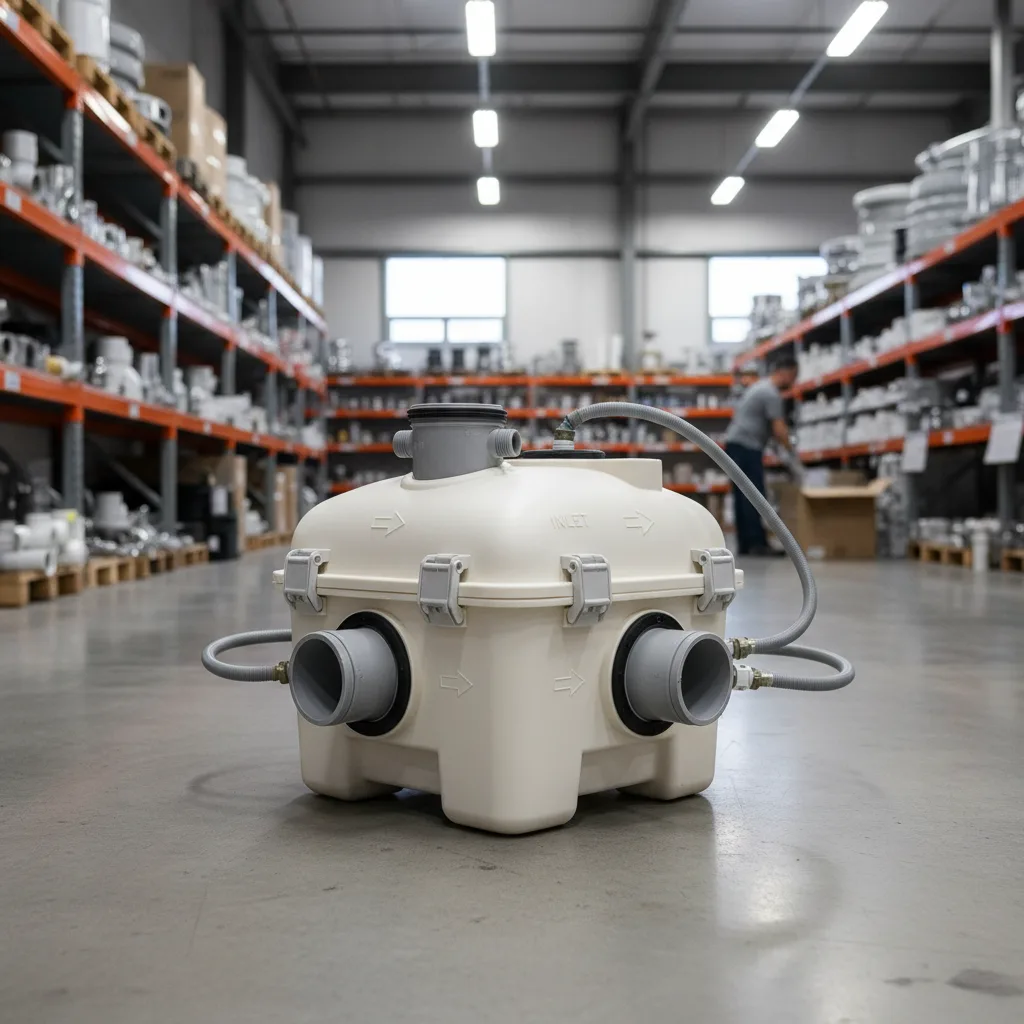

Restaurant owners quickly discover that grease trap costs aren't universal — a $300 cleaning in Austin might cost $600 in San Francisco, and compliance requirements vary dramatically between jurisdictions. Understanding regional pricing differences helps you budget accurately and avoid overpaying for essential grease management services. This guide breaks down what drives grease trap cost by city and what you should expect to pay in major metropolitan areas across North America.
Why Grease Trap Costs Vary Dramatically by Location
Geographic location influences grease trap pricing through several interconnected factors that create significant cost disparities between cities. Labor rates represent the most obvious variable — technicians in high cost-of-living areas like New York City command higher wages than those in mid-sized Southern markets, and service providers pass these costs directly to customers.
Local regulations create the second major pricing driver. Cities with strict FOG (fats, oils, and grease) ordinances require more frequent service intervals, comprehensive documentation, and specialized disposal procedures that increase operational costs. San Francisco's rigorous grease trap compliance program, for example, mandates quarterly inspections for most establishments, while some smaller municipalities require only annual service.
Always verify your city's specific grease trap ordinances before signing service contracts. Municipal requirements determine minimum service frequency and can significantly impact your annual costs.
Disposal fees vary substantially based on regional waste management infrastructure. Cities with dedicated FOG recycling facilities typically charge lower disposal fees than those requiring long-distance hauling to approved sites. Competition density also affects pricing — markets with numerous established providers typically offer better rates than areas with limited service options.
Understanding the complete spectrum of grease trap cleaning expenses helps restaurant owners anticipate these regional variations and budget accordingly.
Major Metro Area Price Comparisons
The West Coast, Northeast, and Southern regions demonstrate distinct pricing patterns that reflect their unique economic and regulatory environments.
California Markets
California cities consistently rank among the most expensive for grease trap services, driven by stringent environmental regulations and high operational costs. Los Angeles restaurants typically pay $250-$500 for standard 50-gallon trap cleaning, with larger 1,000-gallon interceptors ranging from $450-$900 per service. San Francisco rates run 15-25% higher due to aggressive FOG management programs and elevated labor costs.
Finding qualified service providers throughout California becomes essential for comparing competitive quotes within these premium markets.
Sacramento and San Diego fall in the middle range for California, with 50-gallon trap service averaging $225-$425. Smaller California markets like Fresno or Bakersfield offer more competitive pricing, typically 20-30% below major metro rates while maintaining comparable service quality.
New York and Northeast Corridor
New York City represents the premium end of the national pricing spectrum, where 50-gallon trap cleaning ranges from $275-$550 depending on borough and access complexity. Manhattan locations face the highest rates due to parking restrictions, building access challenges, and premium labor costs that reflect the city's elevated cost of living.
Navigating New York's complex grease trap service landscape requires understanding how local regulations and logistical challenges affect pricing structures.
Boston follows closely with $250-$475 for comparable services, while Philadelphia offers moderate relief at $200-$400 for standard cleaning. Washington D.C. falls in the upper-middle range at $235-$450, reflecting both regulatory stringency and competitive market dynamics.
Texas and Southern Markets
Texas cities deliver some of the nation's most competitive grease trap pricing while maintaining robust service standards. Houston restaurants typically pay $175-$350 for 50-gallon trap service, with Dallas and San Antonio offering similar rates. Austin skews slightly higher at $200-$375 due to environmental regulations and growing demand.
The diversity of Texas grease trap service providers creates competitive pressure that benefits restaurant owners through better pricing and service flexibility.
The difference between our Houston and San Francisco locations' grease trap costs runs about $3,200 annually for comparable service — that's a meaningful line item when you're managing multiple properties.
Atlanta, Charlotte, and Nashville cluster in the $185-$365 range, offering moderate pricing with increasing service quality as these markets mature. Miami's tropical climate and tourism-driven restaurant density creates unique pricing dynamics, with rates ranging from $200-$400 for standard services.
Midwest and Mountain States
Chicago commands premium Midwest pricing at $225-$425 for 50-gallon traps, reflecting big-city operational costs and strict municipal codes. Detroit and Cleveland offer more moderate rates of $175-$325, while Minneapolis and Kansas City typically range from $190-$350.
Denver represents the Mountain region's pricing benchmark at $200-$375, with Phoenix offering competitive rates of $185-$340 despite being a major metropolitan area. Salt Lake City falls in the moderate range at $180-$330 for standard cleaning services.
Service Frequency Impact on Annual Costs
Municipal ordinances dictate minimum service intervals that dramatically affect annual grease trap expenses regardless of base cleaning costs. A Los Angeles restaurant paying $350 per cleaning with mandatory monthly service spends $4,200 annually, while a Dallas establishment paying $250 quarterly totals just $1,000 — even though per-service rates differ by only $100.
Failure to meet municipal service frequency requirements triggers fines averaging $500-$2,500 per violation. Always maintain documented proof of compliant service intervals.
High-volume kitchens often require more frequent service than municipal minimums to prevent backups and maintain operational efficiency. A busy Brooklyn pizzeria might need bi-weekly service despite monthly minimum requirements, doubling annual costs from regulatory baseline projections.
| City | Typical Frequency | Annual Cost Range (50-gal) |
|---|---|---|
| San Francisco | Quarterly | $1,400-$2,000 |
| New York City | Monthly | $3,300-$6,600 |
| Houston | Quarterly | $700-$1,400 |
| Chicago | Bi-monthly | $1,350-$2,550 |
| Phoenix | Quarterly | $740-$1,360 |
Hidden Regional Cost Factors
Beyond base service rates, several location-specific factors affect total grease trap expenses in ways that don't appear on standard invoices. Permit and inspection fees vary dramatically — San Diego charges annual FOG discharge permits averaging $350-$800 based on facility size, while many Texas cities include inspections within standard health department oversight at no additional cost.
Emergency service availability and pricing presents another regional variable. Cities with multiple 24/7 providers typically charge 50-75% premiums for after-hours service, while markets with limited options may impose 100-150% surcharges for weekend or holiday emergency cleanings.
Winter weather impacts northern cities through seasonal access challenges and equipment complications. Chicago and Minneapolis providers often add temporary surcharges during extreme cold periods when frozen lines and snow accumulation complicate service logistics.
Request all-inclusive pricing quotes that specify permit fees, disposal costs, and documentation charges. This prevents surprise expenses and enables accurate cost comparisons between providers.
Strategies for Managing Regional Price Differences
Restaurant owners can implement several approaches to optimize grease trap costs regardless of location. Multi-year service contracts typically deliver 10-15% savings versus month-to-month arrangements, with providers offering rate locks that protect against regional price inflation.
Combining services from single providers often unlocks volume discounts — restaurants operating multiple locations within a city or region should negotiate portfolio pricing that reduces per-unit costs. Some operators report 15-20% savings by consolidating all properties under unified service agreements.
Proactive maintenance reduces emergency service needs and extends cleaning intervals within regulatory limits. Installing grease trap alarms, training staff on proper FOG disposal, and scheduling regular inspections prevents costly overflow situations that trigger premium emergency response fees.
Seasonal scheduling in tourist-heavy markets like Miami or Las Vegas can capture off-peak pricing advantages. Some providers offer reduced rates during slower periods when demand decreases and technician availability increases.
Frequently Asked Questions
Why does New York City grease trap cleaning cost more than other major cities?
New York City combines America's highest labor costs with stringent access restrictions and complex logistics that increase service expenses. Manhattan's parking limitations, building codes, and disposal requirements force providers to build significant operational overhead into pricing. Monthly service mandates for most establishments also multiply annual costs compared to cities requiring quarterly cleaning.
Can I use a provider from a cheaper neighboring city to reduce costs?
While technically possible, this approach often backfires through travel surcharges, delayed emergency response, and unfamiliarity with local regulations. Most reputable providers add $50-$150 distance fees for out-of-territory service calls. Municipal inspectors also prefer documentation from locally-licensed contractors familiar with jurisdiction-specific compliance requirements.
Do coastal cities always charge more than inland markets?
Not universally — while coastal metropolitan areas like San Francisco and Seattle command premium pricing, smaller coastal cities often offer competitive rates comparable to inland markets. The cost driver is metropolitan density and regulatory stringency rather than coastal geography itself. Savannah and Portland, Maine charge substantially less than landlocked Denver despite ocean proximity.
How much should I budget for grease trap costs when opening in an unfamiliar city?
Plan for $1,500-$6,000 annually depending on trap size and local service frequency requirements. Contact your city's wastewater department for specific FOG ordinances, then request quotes from three local providers. Add 20% contingency for first-year surprises as you establish optimal service intervals for your kitchen's actual grease production.
Are rural area grease trap costs always lower than urban pricing?
Not necessarily — while rural areas avoid big-city labor premiums, limited provider competition and long disposal haul distances can inflate costs. Small-town restaurants sometimes pay urban-equivalent rates due to monopolistic local markets and expensive waste transport to distant approved facilities. Always compare actual quotes rather than assuming rural savings.
Geographic location significantly impacts grease trap expenses, but understanding regional pricing patterns helps restaurant owners budget effectively and negotiate competitive rates. Whether you're operating in premium coastal markets or cost-efficient Southern cities, connecting with qualified local providers ensures compliant service at fair market rates. Find verified grease trap services in your area and start comparing quotes from established professionals who understand your city's specific requirements and pricing dynamics.

Author: Grease Trap Locator Editorial Team
The Grease Trap Locator editorial team covers FOG compliance, grease trap maintenance, and commercial kitchen regulations across the US and Canada. Our guides are written for restaurant owners, facility managers, and food service operators who need practical, accurate information without the fluff.
Find verified, local contractors who handle cleaning, pumping, and FOG compliance — in your area.