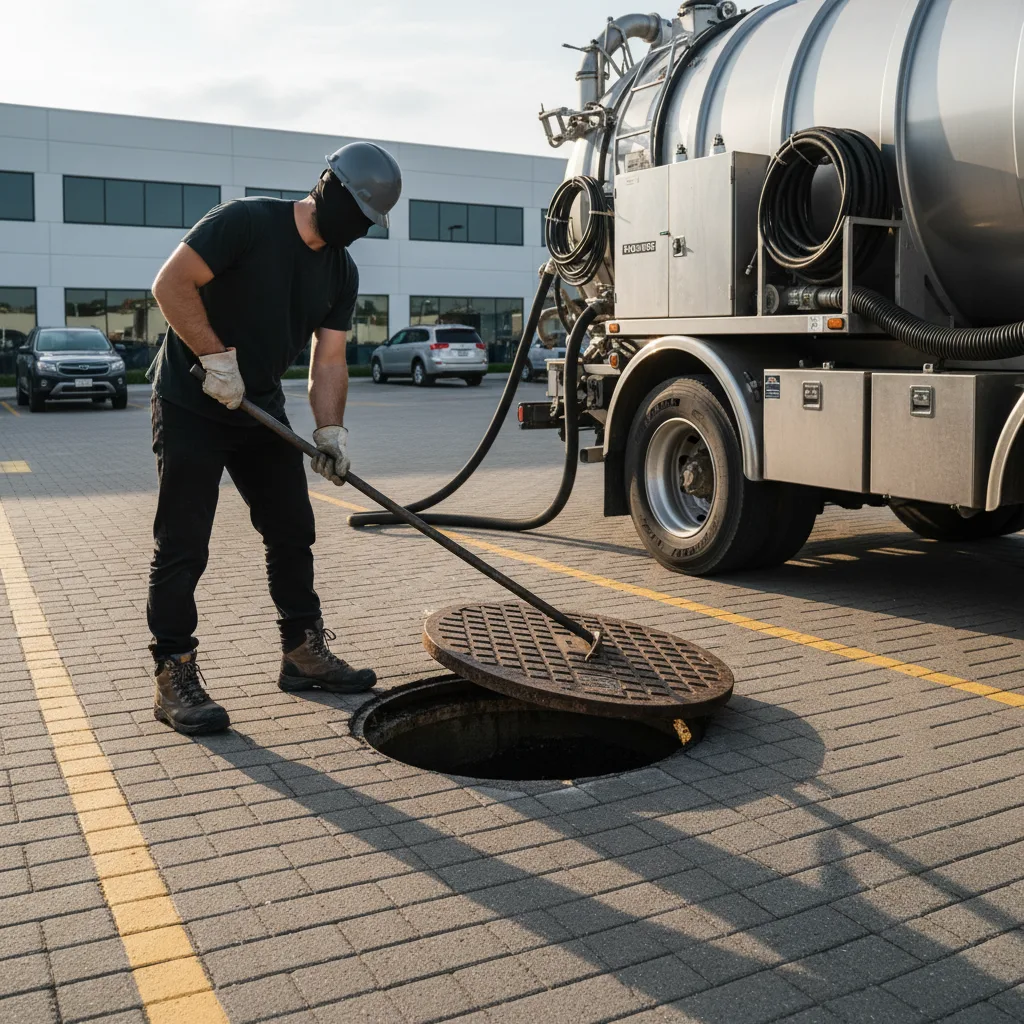

Every time a commercial grease trap is pumped, cleaned, or serviced, a critical compliance document comes into play: the waste manifest. This legally required form tracks grease trap waste from the moment it leaves your facility until final disposal — and missing or inaccurate manifests can trigger thousands of dollars in fines. This guide explains what waste manifests are, why they matter, and how to maintain proper documentation to satisfy health departments, municipal authorities, and environmental regulators.
What Is a Grease Trap Waste Manifest?
A grease trap waste manifest is a chain-of-custody document that records the collection, transportation, and disposal of fats, oils, grease (FOG), and other materials removed from commercial grease traps. Think of it as a birth certificate for your waste — it proves who removed it, when, how much was collected, where it went, and how it was processed. Most jurisdictions require the waste hauler to provide a completed manifest after every service, and the facility owner must retain copies for inspection.
The manifest typically includes the generator's name and address, the hauler's license number, the date and time of service, the estimated volume or weight collected, and the receiving facility's information. Some municipalities use standardized forms, while others accept hauler-generated manifests that meet minimum regulatory criteria. Understanding comprehensive FOG compliance requirements helps restaurant owners recognize how waste manifests fit into the broader regulatory framework.
Request a copy of your waste manifest immediately after service — not days later. Verify all information is complete before the hauler leaves your property. Missing signatures or incorrect disposal facility information can invalidate the entire document.
Why Waste Manifests Are Legally Required
Municipalities and environmental agencies mandate waste manifests to combat illegal dumping, monitor sewer system protection, and ensure proper disposal practices. When grease trap waste is dumped improperly — into storm drains, vacant lots, or unapproved facilities — it creates environmental hazards and sewer blockages that cost taxpayers millions annually. The manifest system creates accountability at every step of the disposal chain.
During health department inspections or municipal FOG audits, inspectors routinely request manifest copies covering the past 6 to 24 months. Facilities that cannot produce these records face citations, reinspection fees, and in severe cases, operational shutdowns. The manifest serves as proof that your establishment is meeting required pumping frequencies and using licensed haulers. Without this documentation, you have no defense against allegations of non-compliance — even if your grease trap was serviced properly.
Many jurisdictions also use manifest data to identify problem facilities generating excessive FOG or requiring more frequent service. This information helps authorities target enforcement efforts and adjust local ordinances. Some cities require haulers to submit manifest copies directly to the municipality, creating a dual verification system that cross-checks facility claims against hauler records.
Critical Information Every Manifest Must Contain
While specific requirements vary by jurisdiction, all compliant waste manifests include several core elements. The generator section identifies your facility by legal business name, physical address, and often a permit or account number issued by the municipality. The hauler section must include the company name, waste hauler license number, vehicle identification, and driver signature. Facilities should verify that haulers possess current licensing — unlicensed operators cannot provide legally valid manifests.
The waste characterization section documents what was removed: estimated gallons or pounds, waste classification (FOG, screenings, solids), and trap location if multiple units exist on-site. Date and time stamps prove service occurred within required intervals. The disposal section identifies where waste was delivered — the receiving facility's name, address, and permit number. This final destination must be an approved treatment plant, rendering facility, or licensed disposal site.
Manifests aren't just paperwork — they're your legal shield. Without them, you're one inspection away from thousands in fines, regardless of how clean your operation actually is.
Additional fields may include trap size, service type (routine maintenance, emergency pump-out, inspection), and special handling notes. Some municipalities require separate manifests for grease trap waste versus cooking oil recycling, as these materials follow different disposal pathways. Effective grease trap record-keeping systems organize manifests chronologically alongside maintenance logs and inspection reports for streamlined compliance verification.
Never sign a blank manifest or one with incomplete disposal information. Some unscrupulous haulers ask facility managers to sign before filling in details, then illegally dump waste while producing falsified paperwork. You remain liable for improper disposal regardless of who performed the actual dumping.
Proper Storage and Retention of Waste Manifests
Most jurisdictions require facilities to retain waste manifests for a minimum of three years, though some municipalities mandate five-year retention. These documents should be stored in a dedicated compliance binder or digital system that's immediately accessible during inspections. Organize manifests chronologically and cross-reference them with your grease trap maintenance schedule to demonstrate consistent service intervals.
Digital storage offers significant advantages for multi-location operators and corporate compliance teams. Scanning manifests to cloud storage with automatic backup ensures documents survive physical disasters like fires or floods. Many modern grease trap service companies provide digital manifest delivery via email or customer portals, eliminating paper management entirely. However, facilities should confirm that digital manifests meet local requirements — some jurisdictions still mandate original wet signatures.
Create a simple verification routine: when you receive a manifest, check that all required fields are complete, the disposal facility is licensed for FOG waste, and service dates match your scheduled maintenance. Flag any discrepancies immediately and request corrected versions. File manifests alongside corresponding invoices to streamline accounting and compliance audits. This documentation proves both regulatory compliance and business expenses for tax purposes.
What Happens During Manifest Audits and Inspections
When health department inspectors or municipal FOG officers audit your facility, waste manifests rank among the first documents they request. Inspectors typically verify that manifest dates align with required pumping frequencies based on your trap size and daily wastewater volume. Gaps in the manifest record trigger red flags — if you're required to pump quarterly but show six-month intervals, expect citations.
Inspectors may also cross-check your manifests against municipal databases to confirm haulers are properly licensed and disposal facilities are approved. They look for patterns suggesting compliance problems: excessive waste volumes indicating FOG management failures, frequent emergency pump-outs showing inadequate maintenance scheduling, or multiple different haulers suggesting irregular service relationships. Consistent manifests from a single reputable provider demonstrate operational maturity.
Understanding potential FOG violation fines and penalties motivates facilities to maintain meticulous manifest records. First-time documentation violations typically result in warnings and reinspection requirements, but repeat offenses or evidence of intentional non-compliance can trigger four- or five-figure fines. Some jurisdictions impose daily penalties until deficiencies are corrected, rapidly escalating costs for facilities that delay compliance.
Conduct quarterly self-audits of your manifest collection. Count the documents, verify service intervals, and confirm disposal facility consistency. This 15-minute review catches problems before inspectors arrive and demonstrates good-faith compliance efforts if minor issues exist.
Choosing Haulers Who Provide Proper Documentation
Not all grease trap service providers demonstrate equal attention to manifest compliance. When evaluating haulers, ask specific questions about their documentation practices: Do they provide manifests immediately after service or mail them later? Are manifests pre-populated with hauler and disposal facility information? Do they offer digital delivery options? Can they provide proof of disposal facility licensing?
Request sample manifests before signing service agreements. Examine whether forms include all locally required fields and look professionally prepared. Haulers who use handwritten sticky notes or refuse to provide manifests altogether should raise immediate concerns. Verify the hauler's license status through your municipality's environmental services department — unlicensed operators cannot provide legally valid manifests regardless of how official their paperwork appears.
Establish clear manifest expectations in your service contract: manifests delivered within 24 hours of service, digital copies provided, disposal facility information verified, and immediate notification if waste cannot be delivered to the standard facility. Quality service providers welcome these requirements because they already follow best practices. Operators who resist documentation standards often cut corners in other areas.
Frequently Asked Questions
How long must I keep grease trap waste manifests?
Most jurisdictions require three to five years of manifest retention, though some municipalities mandate longer periods. Check your local FOG ordinance or contact your municipal wastewater department for specific requirements. When in doubt, retain manifests for five years to ensure compliance with the most stringent standards. Digital storage makes long-term retention practical even for high-frequency service schedules.
What should I do if my hauler doesn't provide a manifest?
Request the manifest immediately and document your request in writing via email. If the hauler refuses or delays, file a complaint with your municipal wastewater department — most jurisdictions treat manifest failures as serious violations. Consider switching to a reputable service provider who prioritizes compliance. Never allow service to continue with a hauler who won't provide proper documentation.
Can I be fined for my hauler's improper waste disposal?
Yes. As the waste generator, you share liability for proper disposal even if you hired a licensed hauler. This underscores why manifest verification matters — confirming the disposal facility is licensed and approved protects you from liability if your hauler later faces dumping charges. Always verify disposal destination information rather than blindly trusting hauler representations.
Do I need separate manifests for grease trap waste and used cooking oil?
Usually yes. Grease trap waste (FOG, food solids, wastewater) follows different disposal pathways than clean used cooking oil, which typically goes to rendering facilities for biodiesel production. Most jurisdictions classify these as distinct waste streams requiring separate documentation. Your cooking oil recycler should provide manifests or receipts documenting oil collection and processing.
What if I lose historical manifests before an inspection?
Contact your service provider immediately — most reputable haulers maintain manifest copies and can provide duplicates. If your hauler cannot or will not provide copies, you may face documentation violation citations. This situation demonstrates why digital backup systems are valuable. Some municipalities accept hauler-submitted manifest records as backup verification, but this varies by jurisdiction.
Proper waste manifest management protects your business from regulatory penalties, demonstrates environmental responsibility, and provides legal defense if disposal issues arise. By understanding documentation requirements, choosing compliant service providers, and maintaining organized records, you ensure smooth inspections and avoid costly citations. Find verified grease trap services in your area that prioritize proper documentation and compliance at https://www.greasetraplocator.com.

Author: Grease Trap Locator Editorial Team
The Grease Trap Locator editorial team covers FOG compliance, grease trap maintenance, and commercial kitchen regulations across the US and Canada. Our guides are written for restaurant owners, facility managers, and food service operators who need practical, accurate information without the fluff.
Find verified, local contractors who handle cleaning, pumping, and FOG compliance — in your area.