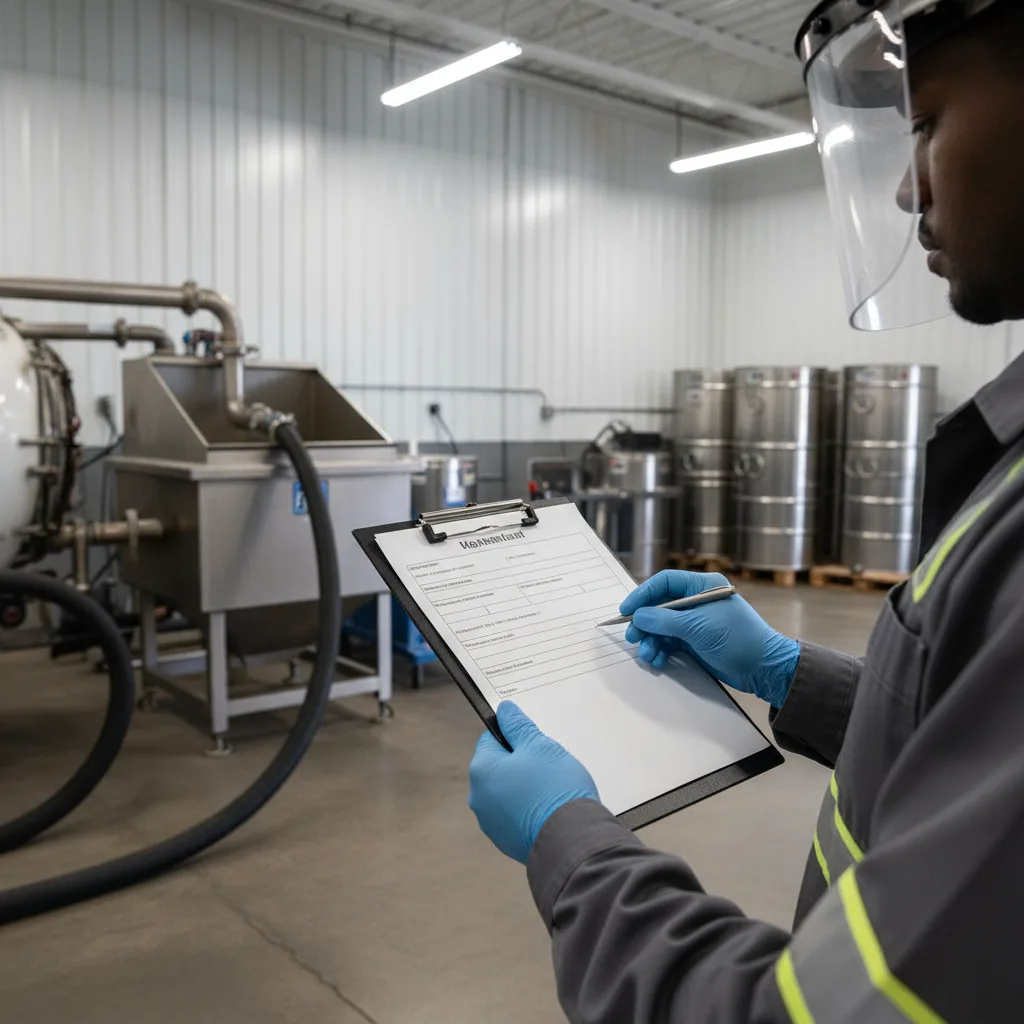

A citation for your grease trap isn't just a regulatory slap on the wrist — it's a time-sensitive compliance issue that can escalate to permit suspension, fines, or even temporary closure. Whether you've been cited for excessive FOG buildup, inadequate maintenance records, or a malfunctioning interceptor, what you do in the next few days matters. Here's a step-by-step response plan to address a grease trap violation and get back into compliance fast.
Understanding Your Citation: What the Health Department Actually Found
Before you panic or make knee-jerk decisions, read your violation notice carefully. Grease trap citations commonly fall into a few categories, each needing a different fix: missing the service frequency your local rule requires, too much FOG and solids for your local limit, missing service records, structural defects or leaks in the trap, and installation that doesn't meet local plumbing code.
Your citation should include a violation code, a description of the non-compliance, a deadline for correction, and potential penalties. If any of these are unclear, call the inspector listed on the notice immediately — ambiguity works against you if you miss the correction window. Understanding exactly what triggered the citation lets you fix the root cause rather than just the symptoms, which is essential if you want to avoid repeat violations.
Don't ignore the citation deadline. Some jurisdictions assess daily fines after the correction period expires, and repeated non-compliance can lead to permit suspension or revocation that stops food service operations until the issue is resolved.
Immediate Response
If sewage backs up into food, prep or customer areas, close the food establishment immediately as a precaution and contact the health authority for instructions on cleanup and reopening. For other citations, read the notice promptly and arrange the correction it requires before its deadline — this may mean supplying records, cleaning, repairs or installation work. If service is needed, contact more than one provider early, because availability can be limited, and use a provider that holds any licence or registration your jurisdiction requires.
While you arrange the correction, gather your maintenance records and document only what you can see safely — without opening covers, entering or leaning into the interceptor, or going near sewage-contaminated areas. Ask your service provider for any photos of the inside of the trap. This documentation serves dual purposes: it provides a baseline for your correction efforts, and it may help explain how the violation occurred if there were extenuating circumstances. If you've been using a service provider regularly but still received a citation, review their service records to verify they've been meeting the pumping frequency required by your local code.
Notify your kitchen management team immediately about the citation and implement interim best practices to prevent the situation from worsening. This includes scraping all food waste into trash receptacles before washing dishes, using sink strainers on all three-compartment sinks, and making sure no one pours grease down drains. These steps won't fix the existing violation, but they prevent additional FOG accumulation while you arrange for professional service.
Working with Service Providers to Document Correction
When your grease trap service provider arrives, be explicit about the situation: you've received a citation and need thorough cleaning with complete documentation. Ask for a service report that includes the date and time of service, the amount of FOG and solids removed, any measurements your local program requires, any structural issues found, and any licence or registration details your jurisdiction requires.
This isn't the time to cut corners with the cheapest provider you can find. Thorough cleaning with proper documentation is what the inspector will look for. If the citation mentioned structural issues — cracks, missing baffles, broken inlet or outlet pipes — discuss repair options immediately. Some violations can't be corrected with cleaning alone, and you'll need to know whether you're facing a repair timeline of days or weeks.
Ask your service provider whether they can review your specific violation with you, to make sure your corrective action addresses what the inspector documented. They may spot other issues that weren't cited but could cause future violations.
Request that your service provider email you digital copies of all documentation immediately after service. Having electronic records makes submission to the health department faster and ensures you have backup copies if the originals are misplaced before your re-inspection.
Submitting Your Compliance Documentation and Requesting Re-Inspection
Once corrective action is complete, don't wait for the inspector to follow up — proactive communication shows good faith. Contact the inspector who issued your citation (their name should be on the violation notice) and tell them you've completed the required corrections. Many jurisdictions let you submit compliance documentation by email, which can be faster than mailing copies or waiting for a follow-up visit.
Your compliance package should include a cover letter briefly explaining the violation and the corrections made, the complete service report from your grease trap provider, photos showing the current condition of your trap (if not in the service report), receipts for the service, and if applicable, a revised maintenance schedule showing future service dates. Some agencies provide a compliance form that must be completed — check your citation paperwork or the agency's website.
Request a re-inspection date in writing. While some jurisdictions conduct re-inspections automatically, others require you to formally request one. Getting this on the calendar quickly serves two purposes: it demonstrates your commitment to compliance, and it prevents the violation from remaining open on your record longer than necessary. If you're concerned about potential FOG violation fines or escalating penalties, addressing this promptly is your best defense against administrative enforcement actions.
The difference between a one-time citation and a pattern of non-compliance often comes down to documentation. Good records help show that you take grease trap maintenance seriously.
Preventing Future Citations: Building a Sustainable Compliance System
Once you've resolved the immediate citation, shift your focus to prevention. A documented, calendar-driven maintenance system is one of the best ways to avoid repeat violations. Set up a recurring service schedule with your grease trap provider that meets or exceeds your local requirements — if your trap fills quickly because of high-volume frying, you may need service more often than the local minimum.
Implement a simple documentation system that doesn't depend on remembering to file paperwork. Create a three-ring binder or cloud folder labeled "Grease Trap Compliance" and train your manager-on-duty to file service reports immediately upon receipt. Include your service provider's contact information, your maintenance schedule, and copies of local code requirements in this binder so any manager can access critical information during an unannounced health inspection.
Train your kitchen staff on FOG prevention practices, because even a well-maintained grease trap will struggle if your team pours fryer oil and food waste into sinks. Brief training during pre-shift meetings can reduce the amount of grease entering your trap. Cover basic habits like scraping plates thoroughly before washing, never pouring grease down drains (even with hot water), using dry cleanup methods for spills rather than hosing them into floor drains, and understanding that small daily habits prevent major compliance problems.
Consider whether your current grease trap is adequately sized for your operation. If you're pumping frequently and still building up excessive FOG, your trap may be undersized for your kitchen's volume and menu. Ask your local authority, a commercial plumber or your service provider whether a different device would help; any replacement must meet local code and approval requirements.
What Happens If You Can't Meet the Correction Deadline
Sometimes legitimate circumstances — parts availability, contractor scheduling conflicts, or major structural repairs — make it impossible to complete corrections within the stated deadline. If you're facing this, contact the agency immediately to request an extension rather than letting the deadline pass without communication. Many inspectors can grant reasonable extensions when you show good-faith efforts and a realistic timeline.
When requesting an extension, be specific about what's causing the delay and when you expect resolution. "We're waiting on parts" is vague and unconvincing; "the replacement baffle is on backorder with an expected delivery date of March 15th, and our plumber is scheduled for installation on March 17th" shows you're actively managing the situation. Provide supporting documentation like contractor quotes, parts orders, or scheduling confirmations to substantiate your request.
If your extension request is denied or you've already missed the deadline, be prepared for escalating enforcement. Depending on your jurisdiction, this can include reinspection fees, daily fines until compliance is achieved, permit suspension, and in serious cases permit revocation that stops operations. Understanding this progression should motivate immediate action.
Never continue operating with a suspended permit, even if you believe the violation is minor or you're "almost done" with corrections. Operating without valid permits can result in immediate closure orders and significantly larger fines that compound your original citation.
Understanding Your Rights During the Citation Process
While citations must be taken seriously, you have rights during the enforcement process. You can ask which code section you've violated and how the inspector determined non-compliance, request clarification of unclear citation language, contest a citation you believe was issued in error through your jurisdiction's appeals process, and hire an independent consultant to assess your grease trap if you dispute the findings.
If you believe your citation was issued in error — perhaps you have service records the inspector didn't review, or there's confusion about which code applies to your facility — document your concerns in writing and use the appeals process. Appeal deadlines can be short, so check the deadline on your notice. Filing an appeal may not stop the clock on correction deadlines, so proceed with corrective action at the same time.
If you need expert guidance with a complex citation or a possible permit suspension, consider consulting a food safety attorney or restaurant compliance consultant. They may be able to help you respond and negotiate. This adds cost, so it is most worth considering when you face permit suspension or large fines.
Frequently Asked Questions
How long do I have to fix a health department grease trap violation?
Correction periods vary by jurisdiction and violation severity, and your citation notice should state the deadline. If sewage backs up into food, prep or customer areas, close the food establishment immediately as a precaution and contact the health authority for instructions on cleanup and reopening. If you need more time, request an extension in writing before the deadline expires, giving a specific timeline and reason.
Will a grease trap citation appear on my public health inspection report?
It depends. In many cities grease rules are enforced by the sewer utility rather than the health department, so a grease citation may not appear on your restaurant inspection report. Where a health department does cite grease-related problems, how they appear on public records and ratings is set locally.
Can I be fined for a first-time grease trap violation?
Many programs start with warnings or correction notices for a first violation. However, if the violation is severe (such as a non-functional trap causing sewage backups) or you miss the correction deadline, fines can be assessed even on a first citation, and repeat violations can bring higher penalties. Check your local rules.
Do I need to hire the same company that serviced my trap before the violation?
No. You can choose any qualified grease trap service provider for corrective cleaning and maintenance. If your previous provider's service contributed to the violation, switching may be sensible. Check any licence or registration your jurisdiction requires, ask for references from other food service clients, and confirm they provide the documentation your inspector needs.
What if my landlord is responsible for grease trap maintenance according to my lease?
Even if your lease assigns grease trap maintenance to your landlord, regulators generally look to the food service operator or permit holder to fix the violation. You may be able to recover costs from your landlord if your lease clearly assigns them this responsibility. Document all communications, get the corrections done to protect your permit, and get legal advice about your lease.
A health department grease trap citation is serious, but it's not insurmountable. By responding quickly with professional service, complete documentation, and proactive communication with inspectors, you can resolve the immediate violation and build systems that prevent future compliance issues. Remember that inspectors aren't trying to shut down your restaurant — they're enforcing codes that protect public health and municipal infrastructure. Demonstrating your commitment to meeting those standards through prompt action and sustainable maintenance practices will serve your business well beyond resolving this single citation. When grease trap emergencies strike, having a trusted service provider relationship already in place makes all the difference.
Find grease trap services in your area at https://www.greasetraplocator.com and compare local companies.

Author: Grease Trap Locator Editorial Team
The Grease Trap Locator editorial team covers FOG compliance, grease trap maintenance, and commercial kitchen regulations across the US and Canada. Our guides are written for restaurant owners, facility managers, and food service operators who need practical, accurate information without the fluff.
Find local contractors who handle cleaning, pumping, and FOG compliance — in your area.