
Restaurant kitchens generate thousands of gallons of used cooking oil annually — and improper disposal costs the industry millions in fines, plumbing repairs, and environmental damage. This guide shows kitchen managers and restaurant owners how professional used cooking oil recycling programs turn waste into revenue while protecting equipment and staying compliant with local regulations.
Why Used Cooking Oil Recycling Matters for Commercial Kitchens
Used cooking oil represents one of the most mismanaged waste streams in foodservice operations. When poured down drains, it solidifies in pipes and municipal sewer systems, creating blockages that cost cities over $25 billion annually in maintenance and repairs. Restaurants that dispose of oil improperly face fines ranging from $1,000 to $25,000 per violation, plus liability for downstream damage to public infrastructure.
Professional recycling transforms this liability into an asset. Collected oil becomes feedstock for biodiesel production, animal feed supplements, soap manufacturing, and industrial lubricants. Many recycling programs actually pay restaurants for high-quality oil, creating a revenue stream from what was once a disposal expense. The biodiesel produced from restaurant oil reduces greenhouse gas emissions by 86% compared to petroleum diesel, making participation a tangible sustainability achievement.
Kitchen equipment benefits directly from proper oil management. Fryers last 30-40% longer when oil is filtered and replaced on schedule rather than overused. Maintenance costs drop when grease doesn't accumulate in hood systems and drain lines. Integrating oil recycling with comprehensive grease trap maintenance practices creates a complete FOG management system that protects both your kitchen and the municipal sewer network.
How Commercial Cooking Oil Recycling Programs Work
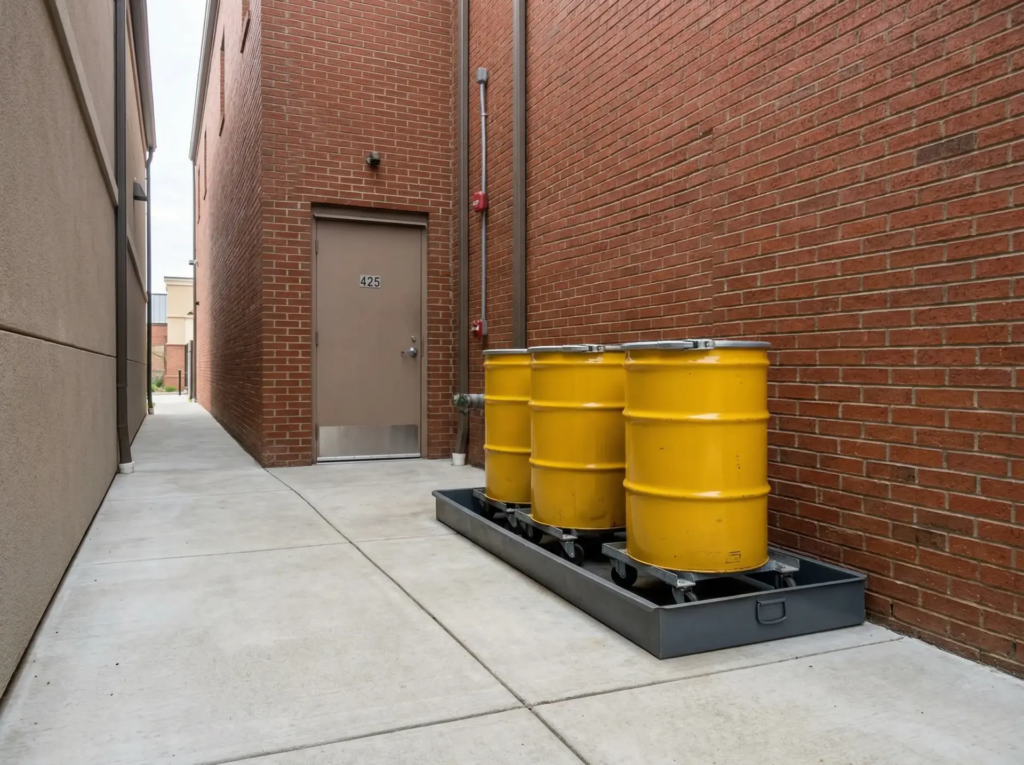
Professional collection services provide dedicated storage containers — typically 55-gallon drums or larger caddy bins — installed in your kitchen's designated oil disposal area. Service frequency depends on your oil volume, ranging from weekly pickups for high-volume operations to monthly collection for smaller establishments. Most providers offer free container placement and maintenance as part of the service agreement.
The collection process follows a straightforward workflow. Kitchen staff cool used oil to below 100°F before transferring it to storage containers using funnels or pump systems. Collection drivers arrive during scheduled windows, pump oil from storage containers into specialized tank trucks, and leave containers clean and ready for the next cycle. Reputable services provide digital tracking and waste manifests for regulatory compliance documentation.
Schedule collections before containers reach 90% capacity. Overfilled containers create spill risks and attract pests, while too-frequent pickups waste service costs. Track your oil usage patterns for 30 days to establish the optimal collection schedule.
After collection, oil enters a multi-stage processing system. Initial filtering removes food particles and sediment. Laboratory testing determines oil quality — this classification as yellow grease versus brown grease significantly impacts its recycling value and end use. Yellow grease from minimally-used oil commands premium prices for biodiesel production, while brown grease with higher free fatty acid content typically becomes animal feed or industrial products.
Maximizing Oil Lifespan Before Recycling
Extending oil life reduces both purchase costs and waste volume. Commercial kitchens using proper filtration systems reuse oil 3-5 times before quality degradation requires replacement, cutting cooking oil expenses by 40% compared to single-use disposal. Daily filtration removes food particles that accelerate oil breakdown, while proper temperature management prevents thermal degradation that darkens oil and creates off-flavors.
Test oil quality using total polar materials (TPM) meters rather than relying on visual inspection alone. Oil should be replaced when TPM readings exceed 24-27%, regardless of appearance. This scientific approach prevents food quality issues while maximizing each batch's productive lifespan. Professional fry oil management systems automate filtration and testing, ensuring consistency across shifts and locations.
Restaurants that implement structured oil management programs report 35-50% reductions in annual oil purchasing costs while improving product consistency and reducing fire risks from degraded oil.
Temperature control directly impacts oil longevity. Maintaining fryer temperatures at the lowest effective setting for each product — typically 325-375°F — minimizes oxidation. Covering fryers during idle periods reduces oxygen exposure, while turning off equipment when not in use prevents unnecessary thermal stress. These practices compound: a kitchen implementing all three can extend oil life by an additional 20-30% beyond filtration alone.
Choosing a Used Cooking Oil Recycling Partner
Selecting the right collection service requires evaluating several critical factors beyond price. Verify that providers hold proper waste hauling licenses and carry adequate liability insurance — minimally $1 million in coverage. Ask for references from similar-sized operations in your area, and confirm their processing facilities comply with EPA regulations for used oil recycling.
Service reliability matters more than marginal cost differences. Late pickups force kitchen staff to store excess oil improperly or halt operations when containers fill. The best providers offer guaranteed pickup windows, real-time tracking apps, and 24-hour emergency collection services. Equipment quality also varies significantly: sealed pumping systems prevent spills and odors, while basic open-transfer methods create sanitation issues.
Never sign exclusive contracts longer than 12 months without exit clauses for service failures. Some collectors lock restaurants into unfavorable terms, then provide poor service knowing switching costs are high. Annual agreements with 30-day termination provisions protect your operation.
Payment structures vary by region and oil quality. High-volume restaurants producing clean yellow grease often receive $0.30-$0.50 per gallon as rebate payments. Mid-volume operations typically receive free collection with no payment either direction. Low-volume or low-quality oil may require paying $0.10-$0.25 per gallon for disposal. Request detailed pricing breakdowns and understand volume thresholds where payment terms change.
Regulatory Compliance and Documentation Requirements
Used cooking oil falls under EPA universal waste regulations in most jurisdictions, requiring proper manifesting and record-keeping. Maintain collection receipts showing dates, volumes, and hauler information for minimum three years. Many municipalities conduct random inspections of restaurant waste management practices, and missing documentation triggers automatic violations regardless of actual disposal methods.
Health department inspectors evaluate oil storage areas during routine visits. Containers must be covered, leak-free, and stored away from food preparation zones. Floor surfaces around storage require secondary containment capable of holding 110% of the largest container's volume. Regular cleaning prevents accumulated grease buildup that creates fire hazards and fails inspection standards.
Some states classify used cooking oil as a regulated recyclable material, imposing additional reporting requirements. California, for example, requires restaurants generating over 100 gallons monthly to register with CalRecycle and submit annual reports. New York City mandates grease recycling for all food service establishments and conducts enforcement inspections with penalties up to $10,000 for non-compliance. Verify your local requirements through your regional environmental quality department.
Frequently Asked Questions About Used Cooking Oil Recycling
How often should restaurants schedule cooking oil collection?
Collection frequency depends on your daily oil usage and storage capacity. High-volume operations like fried chicken restaurants typically need weekly pickups, while moderate-use kitchens schedule biweekly or monthly service. Calculate your average weekly oil disposal volume, then schedule collections when containers reach 80% capacity. This prevents overflow emergencies while avoiding unnecessary service fees for partial loads.
Can restaurants get paid for used cooking oil?
Payment eligibility depends on oil volume and quality. Restaurants producing 200+ gallons monthly of clean yellow grease typically receive $0.30-$0.50 per gallon. Operations with 50-200 gallons usually get free collection with no payment exchange. Lower volumes or degraded brown grease may require paying for disposal. Oil quality matters significantly — minimize water contamination and food particle content to maximize value.
What happens if cooking oil is poured down the drain?
Pouring oil down drains creates immediate plumbing problems and long-term infrastructure damage. Oil solidifies as it cools, coating pipe interiors and creating blockages within weeks. Municipalities track sewer blockages back to source properties using flow analysis and camera inspections. First-time violations typically bring $1,000-$5,000 fines, while repeat offenses can exceed $25,000 plus liability for repair costs and third-party damage from sewer backups.
Is there a difference between vegetable oil and animal fat recycling?
Yes, though most collection services handle both waste streams. Vegetable-based oils produce higher-quality biodiesel due to lower saturated fat content and better cold-weather performance. Animal fats require additional processing to remove solids and reduce viscosity. Some collectors prefer vegetable oils and pay premium rates, while others specifically seek animal fats for industrial applications. Separating the two waste streams when possible can increase recycling value.
Do restaurants need special permits for oil storage containers?
Permit requirements vary by jurisdiction. Most cities require commercial waste hauling contracts on file but don't specifically permit oil storage containers under 275 gallons. Larger collection tanks may trigger fire code permits, especially if located indoors or near building exits. Underground storage tanks always require environmental permits and regular leak testing. Check with your local fire marshal and building department before installing permanent collection infrastructure.
Professional used cooking oil recycling protects your operation from regulatory violations, reduces waste disposal costs, and contributes to sustainable fuel production. Implementing a structured program with reliable collection partners and proper oil management practices creates measurable financial benefits while demonstrating environmental responsibility. Find verified grease trap services in your area offering comprehensive FOG management solutions including cooking oil recycling programs.

Author: Grease Trap Locator Editorial Team
The Grease Trap Locator editorial team covers FOG compliance, grease trap maintenance, and commercial kitchen regulations across the US and Canada. Our guides are written for restaurant owners, facility managers, and food service operators who need practical, accurate information without the fluff.
Find verified, local contractors who handle cleaning, pumping, and FOG compliance — in your area.